Perfection across the board! The sushi was expertly prepared and everything was delicious! The service was impeccable as well! Save room for the molten chocolate cake for desert!
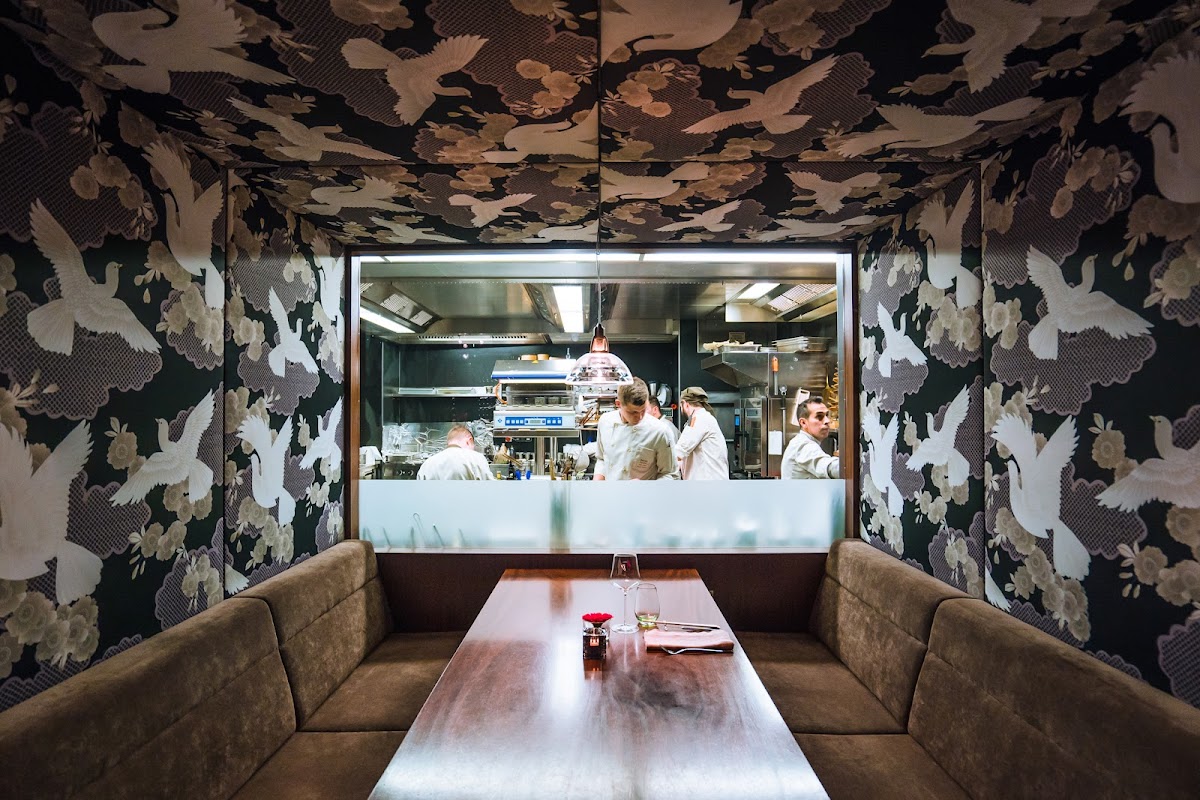
Overview
Walking into Shiki Japanese Restaurant on Krugerstraße 3, 1010 Wien, Austria, feels like stepping into a carefully balanced space where precision meets comfort. I’ve eaten Japanese food across Europe for years, from casual ramen bars to Michelin-listed sushi counters, and this place sits confidently in that middle ground where quality is serious but the mood stays relaxed. On my first visit, the dining room was quietly buzzing, filled with locals, business diners, and a few travelers who clearly did their homework before choosing where to eat.
What stands out immediately is how the menu is structured. Instead of overwhelming guests with endless options, it focuses on well-executed classics: sushi, sashimi, tempura, and warm dishes that feel thoughtfully curated. I once spoke briefly with a sushi chef here during a slower afternoon service, and he explained how fish selection follows strict freshness checks, including temperature control and same-day sourcing when possible. That attention aligns with guidelines from organizations like the Food and Agriculture Organization, which emphasize freshness and cold-chain handling as critical for seafood safety and quality.
During one dinner, I ordered a mixed sashimi platter to gauge knife skills and ingredient quality. The cuts were clean, uniform, and glossy, a clear indicator of proper handling. According to research published by the Journal of Food Science, visual clarity and texture are among the most reliable consumer indicators of sashimi-grade fish, and this plate checked every box. The salmon had a soft, buttery mouthfeel, while the tuna was firm without being dry, suggesting correct aging and storage.
The cooked dishes deserve just as much attention. Tempura here isn’t heavy or greasy, which tells you the oil temperature and batter ratio are well managed. A server once mentioned they refresh oil frequently throughout service, a practice recommended by professional culinary associations in Japan to maintain clean flavor and color. You can taste that care immediately. Even simple items like miso soup arrive balanced, not overly salty, with a depth that suggests quality fermentation rather than shortcuts.
From an experience standpoint, service plays a big role in why reviews of this restaurant tend to be consistently positive. Staff members explain dishes clearly without sounding scripted, and they’re honest when asked for recommendations. On one visit, I was gently steered away from over-ordering raw dishes in favor of trying a seasonal warm option, which turned out to be the highlight of the meal. That kind of guidance builds trust and shows real familiarity with the menu.
Location matters too, and being in Vienna’s first district puts this restaurant within walking distance of major cultural spots. It’s a convenient stop after sightseeing, yet it never feels like a tourist trap. Many regulars seem to come back weekly, which is often the most reliable indicator of long-term quality. In hospitality research conducted by Cornell University, repeat local customers are considered one of the strongest signals of operational consistency, and that rings true here.
There are limits worth noting. If you’re looking for experimental fusion or loud, nightlife-style dining, this might feel too restrained. Portions are refined rather than oversized, reflecting Japanese dining philosophy more than Central European expectations. Still, that restraint is part of the charm. Everything feels intentional, from plating to pacing.
Conversations with other diners and a quick scan of online reviews reveal a shared theme: reliability. People come here knowing they’ll get solid Japanese cuisine, respectful service, and a calm atmosphere. In a city packed with dining options, that consistency is powerful. When a restaurant delivers the same level of care on a quiet weekday lunch as it does on a busy Saturday night, it earns its reputation the slow, honest way.
Good to know
Service options
✓ Outdoor seating ✓ Dine-in ✓ DeliveryHighlights
✓ Great cocktails ✓ Great coffee ✓ Great dessert ✓ Great tea selection ✓ Great wine listPopular for
✓ Lunch ✓ Dinner ✓ Solo diningAccessibility
✓ Wheelchair-accessible entrance ✓ Wheelchair-accessible seating ✓ Wheelchair-accessible toiletOfferings
✓ Alcohol ✓ Beer ✓ Cocktails ✓ Coffee ✓ Late-night food ✓ Organic dishes ✓ Private dining room ✓ Small plates ✓ Spirits ✓ Vegetarian options ✓ WineDining options
✓ Lunch ✓ Dinner ✓ Dessert ✓ Seating ✓ Table serviceAmenities
✓ Bar on site ✓ Toilet ✓ Wi-Fi ✓ Wi-FiAtmosphere
✓ Cosy ✓ Quiet ✓ Romantic ✓ Trendy ✓ UpmarketCrowd
✓ Groups ✓ TouristsPlanning
✓ Reservations requiredPayments
✓ Credit cards ✓ Debit cards ✓ NFC mobile payments ✓ Credit cardsParking
✓ ParkingPhotos
1 / 4
Location
Reviews
- No ratings yet 1045 reviews
The food was really good, but the service was not good enough for the price and the fame. I had the sushi plate and the staff did not bother to explain what I was eating. One waitress did with the deserts we ordered.
I absolutely loved the experience at Shiki. We’ve had such a lovely evening with friends thanks to Bianca from Glasgow who’s been looking after us entire evening! You’re the best. Appreciate that!
A very refined and impressive place - elegant outside and inside. The service is sharp, professional, and respectful of tradition. Every dish we tried was something you simply can’t recreate at home - unique in taste, beautifully presented, and full of character. Even the sake is served the right way, with care and ceremony. Of course, it’s not cheap… but let’s be honest: cooking like this takes decades, not minutes. So yes, worth every yen - I mean euro ;)